
Break Language Barriers and Become a Programming Pro Today.
22 August 2026 · Michael Thompson
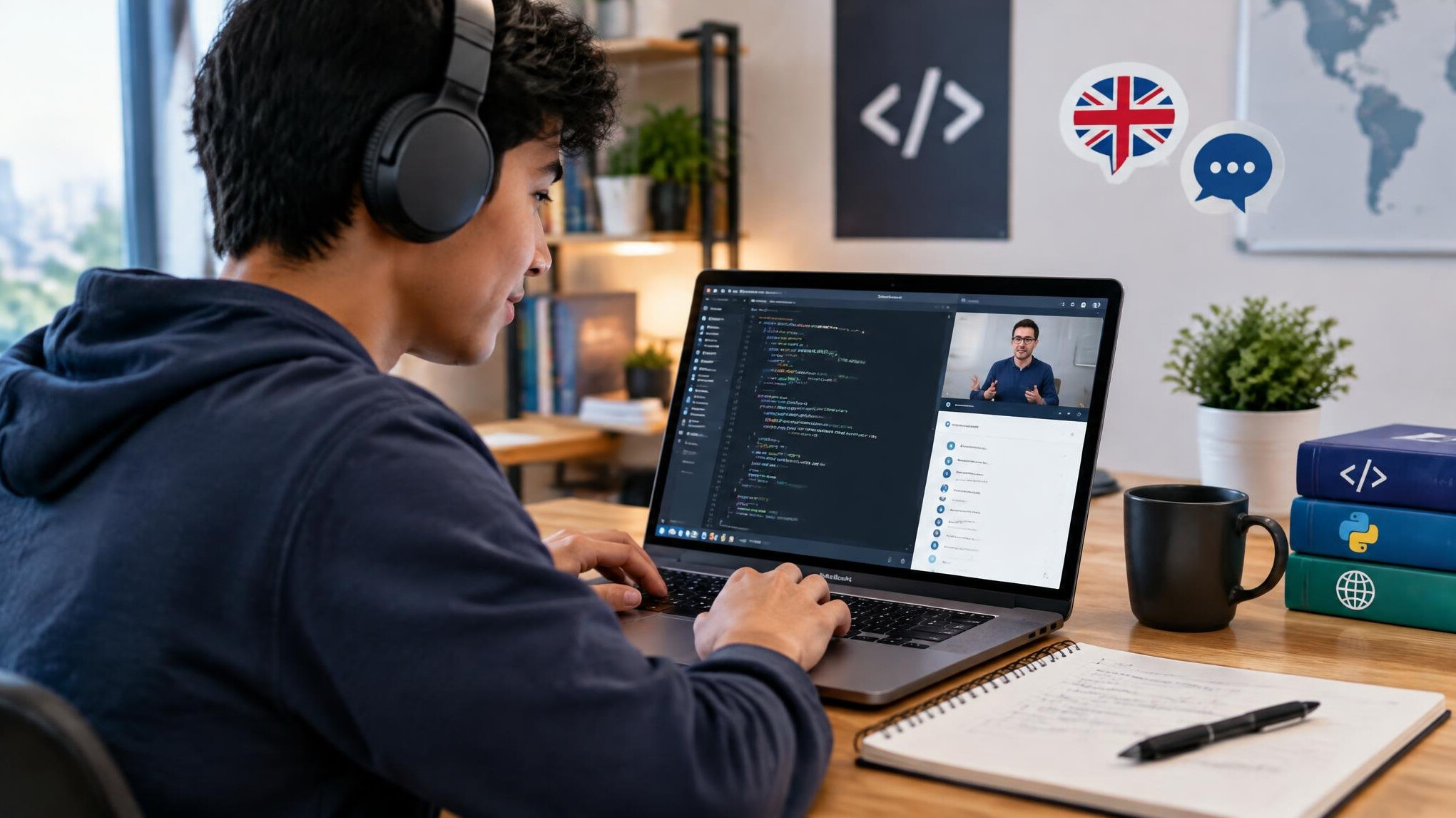
Learning to code feels overwhelming when English is not your first language, but it does not have to stay that way. Many aspiring developers get stuck on syntax explanations or forum discussions written in technical English that assumes native fluency. With focused practice and the right guidance, anyone can move past those hurdles and start building real projects confidently.
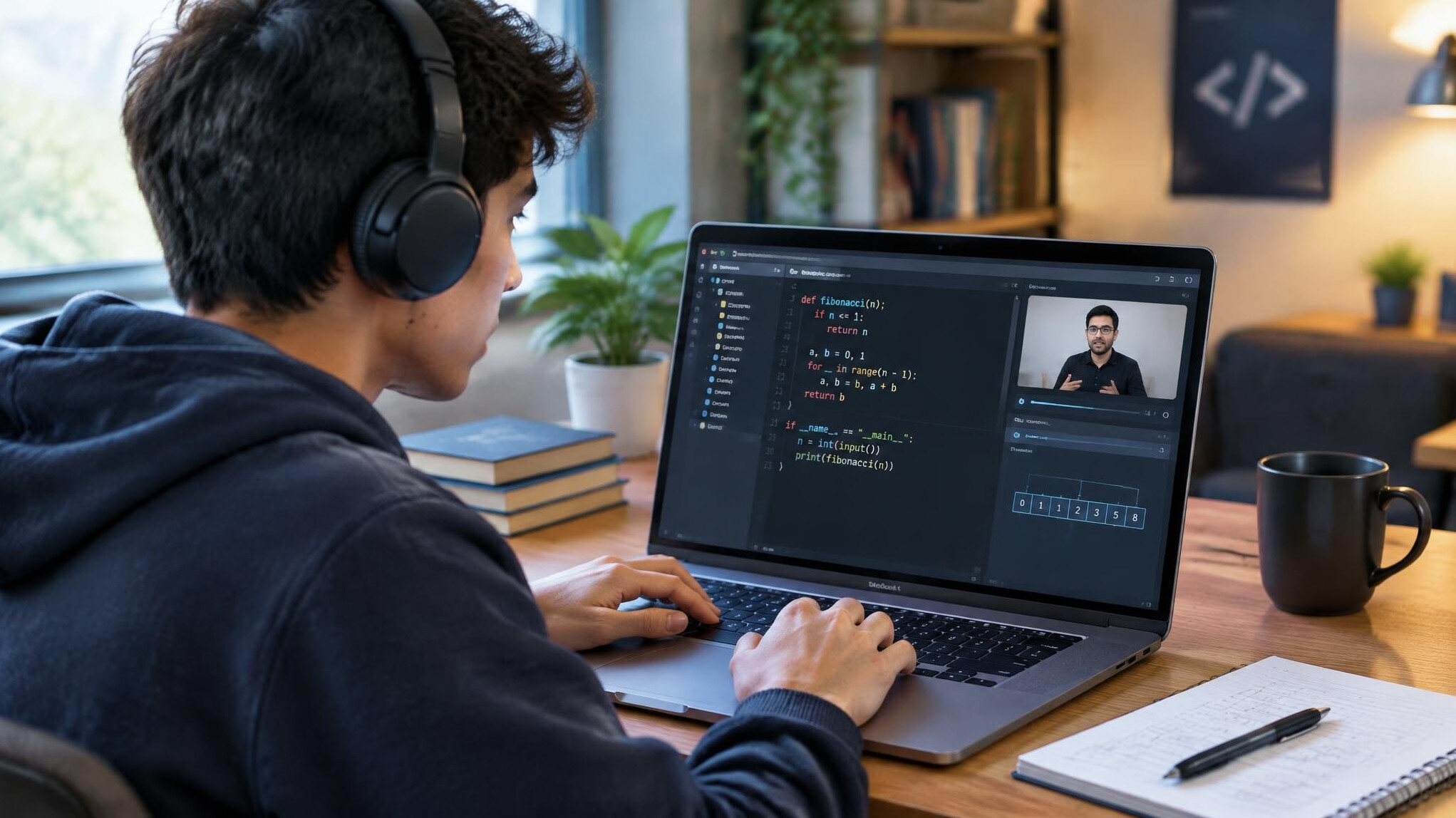
Why English Matters in Tech
Almost every major programming language uses English keywords. Documentation from official sources stays in English first. When you join open source projects or apply for remote jobs, clear communication in English becomes essential. Students who improve their technical vocabulary early find it easier to read error messages, follow tutorials, and collaborate with teams across borders.
Common Roadblocks and How to Clear Them
Vocabulary gaps often slow progress more than actual logic problems. Terms like variable, loop, or function appear everywhere yet feel abstract until used in context. Pronunciation worries stop some learners from asking questions in live sessions. Cultural differences in humor or directness during code reviews add another layer. Structured lessons that pair grammar refreshers with coding exercises help turn these obstacles into stepping stones.
- Daily short readings from simple code comments
- Vocabulary lists tied directly to the current project
- Recorded explanations with slowed speech for review
- Peer feedback sessions focused on clarity rather than perfection

Practical Steps at Trainpathup
Our courses break lessons into small modules that combine code writing with English practice. Each unit starts with a short video that explains one concept using everyday examples. Then learners complete a guided exercise while noting new words in a personal glossary. Instructors provide written feedback that highlights both the code quality and the clarity of any accompanying explanations.
One learner from Brazil shared how repeating variable names out loud during debugging sessions helped him remember them faster than flashcards alone.
Progress tracking includes both technical milestones and language confidence checks. After finishing the introductory track, students often report feeling ready to contribute to English-language forums without hesitation.
Building Real Projects Together
Theory alone rarely sticks. That is why every cohort ends with a capstone where participants build a small web app or script. Teams use simple English during planning chats and document their choices in short readme files. This hands-on approach shows how programming skills and language skills grow together.

Support continues after the course ends through an alumni chat where graduates swap job tips and review each other’s portfolios. Many land freelance gigs or junior roles within months because their English improved alongside their coding portfolio.
Start Your Journey Now
Signing up takes only a few minutes. Choose a schedule that fits your week and begin with a placement quiz that checks both coding basics and comfort with English instructions. From there the path opens toward projects that matter and conversations that connect you to the wider tech world.

Breaking language barriers does not require perfect grammar from day one. Consistent practice inside a supportive setting turns hesitation into fluency and turns curiosity about code into a professional skill set ready for global opportunities.